Raising Cattle in Hunt County: 50 Years of Lessons Learned
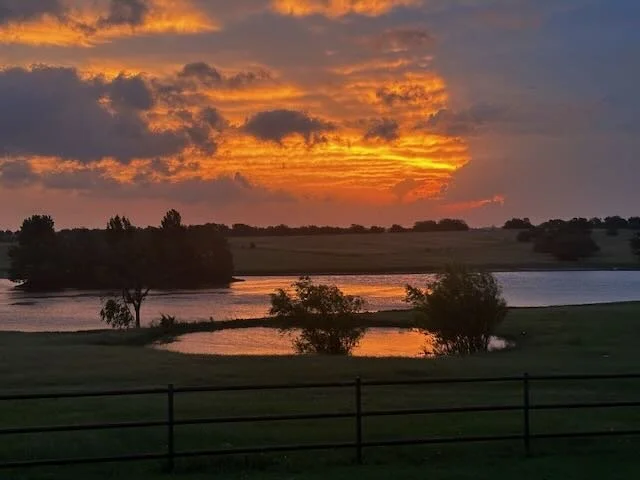
In 1974, when Ed and I started what would become EC Ranch, we had more optimism than experience and more determination than cattle. The land in Hunt County was affordable, the grass grew, and we figured we could learn the rest as we went.
Fifty years later, I’m still here on the same land, still learning, still adapting. Ed’s been gone several years now, but the ranch carries on—a little wiser, a lot more weathered, and still producing quality cattle and horses in the heart of North Texas.
This is what half a century of ranching in Hunt County has taught me.
The Early Years: Learning by Doing
We bought our first piece of land near Celeste in 1974—just enough acres to run a modest cattle operation and chase Ed’s dream of raising cutting horses. Neither of us grew up ranching, so every decision was a lesson waiting to happen.
What we got right:
- Bought land we could afford without overextending
- Started small and grew gradually
- Asked questions from experienced neighbors
- Weren’t too proud to admit what we didn’t know
What we got wrong:
- Everything else, at least once
I remember our first cattle purchase—a mixed group of cows and heifers that looked good to us but probably made the seller smile all the way to the bank. They taught us valuable lessons about structural soundness, disposition, and why “cheap” cattle are usually expensive in the long run.
But we learned. And kept learning.
The Cutting Horse Program: A 40-Year Passion
Ed’s real passion was cutting horses. He’d watch those competitions on weekends and talk about the horses like they were works of art. In 1984, we started our cutting horse breeding program with a good mare and high hopes.
What we discovered: The horses that worked best in competition were the ones that worked cattle every day on the ranch. Not because we were brilliant trainers, but because nothing beats real-world experience.
Our program grew slowly. We never had a barn full of prospects—just a handful of good horses, proven genetics, and a working ranch where young horses could develop naturally. Horses that learned cow sense moving our commercial cattle, not just practicing patterns in an arena.
That philosophy remains today. The cutting horse prospects we offer have worked real cattle in real situations. They’ve sorted calves, held cows for doctoring, and learned to read a cow’s intentions before the cow even knows what it’s thinking.
Transitioning to Beefmaster Cattle
We ran a mixed cattle herd for years—whatever seemed like a good deal at the sale barn. But in the late 1970s, after several brutal Texas summers watching cattle struggle with the heat, we started transitioning to Beefmaster.
Why Beefmaster?
Simple: They worked. While other breeds stood in the shade panting, Beefmasters grazed. While other cows had fertility issues in the heat, Beefmasters bred back reliably. The Brahman influence gave them heat tolerance, and the Hereford-Shorthorn genetics provided growth and maternal ability.
We upgraded gradually, buying better bulls and culling hard. By the mid-1980s, we were running a straight Beefmaster herd, and we’ve never looked back.
The commercial focus: We never got into the show-ring side of Beefmaster cattle. Our cattle work for a living on grass. We select for:
- Moderate frame (not too big to be efficient)
- Strong maternal traits
- Calving ease
- Disposition (life’s too short for mean cattle)
- Performance on forage
Fifty years in, our Beefmaster program produces exactly what we need: cattle that raise quality calves with minimal input and maximum reliability.
What Hunt County Taught Us
Weather: The Great Equalizer
North Texas weather keeps you humble. We’ve seen:
- Summers where temperatures hit 110°F for weeks
- Droughts that turned pastures to dust
- Ice storms that destroyed trees and fences
- Flash floods that moved ponds
- Spring freezes that killed early calves
What we learned:
- Cattle that can handle heat are essential
- Water infrastructure is never good enough
- Have extra hay stored (every year)
- Diversification helps (cattle, horses, dogs)
- Nature will always surprise you
Grass Management
Hunt County has decent grass—if you manage it right. We learned:
Rotational grazing: Moving cattle prevents overgrazing and lets pastures recover
Stocking rate matters: Fewer cattle in good condition beats more cattle barely surviving
Native grasses work: We went through a phase of expensive improved pastures. Native grasses, properly managed, do fine here.
Drought plans: Have them before you need them. By the time the grass is brown, it’s too late.
Fire can help: Controlled burns (carefully done) rejuvenate old pastures
Fencing: Never Enough, Never Perfect
In five decades, we’ve built miles of fence, fixed miles more, and cursed every staple. Hunt County soil ranges from rock-hard clay to bottomland muck—often in the same fence line.
Fence wisdom:
- Build it right the first time (it’s cheaper than rebuilding)
- Bulls will test every weak point
- Lightning loves fence chargers
- Corners need extra bracing in clay soil
- Ice storms laugh at “guaranteed” fence systems
We finally learned to buy quality materials, take our time, and not cut corners. A good fence is an investment; a cheap fence is a recurring expense.
The Challenges: What We Faced
Economic Cycles
Cattle markets cycle. We’ve seen:
- Boom times when every calf brought top dollar
- Bust years when sales barely covered expenses
- Drought years when hay cost more than cattle
- Regulatory changes that affected markets
Survival strategy:
- Maintain low debt
- Keep quality cattle (they sell better in bad markets)
- Diversify income (cattle, horses, breeding stock)
- Build reserves in good years
- Don’t expand just because cattle prices are high
Health Issues and Losses
We’ve dealt with every common cattle disease, some uncommon ones, predator problems, and the occasional mystery death. We learned:
Prevention beats treatment: Vaccination programs, parasite control, and good nutrition prevent most problems
Know your vet: Develop a good relationship before emergencies
Biosecurity matters: Quarantine new animals, control visitors, manage risks
Accept losses: You can do everything right and still lose animals. It’s part of ranching.
Labor and Help
Finding and keeping good help has always been a challenge. We learned early to pay fairly, treat people right, and accept that some things we just had to do ourselves.
As we got older, we adapted—better facilities requiring less manual labor, better cattle requiring less intervention, smarter management requiring less physical work.
What Changed Over 50 Years
Technology
1974: Record-keeping with paper and pencils 2024: Spreadsheets, databases, and software that track everything
1974: Guessing at cattle weights 2024: Electronic scales and data tracking
1974: Breeding by sight and gut feeling 2024: EPDs, genomic testing, and data-driven decisions
What didn’t change: Cattle still need grass, water, and care. Technology helps, but it doesn’t replace good judgment and daily attention.
Market Changes
Markets have evolved dramatically:
- Grid pricing rewards quality
- Age and source verification programs
- More emphasis on genetics and performance
- Video auction options
- Direct marketing opportunities
We adapted by focusing on producing cattle that meet market demands—moderate frame, good gaining ability, and quality.
Infrastructure
We’ve upgraded everything over the decades:
- Better working pens (safer and more efficient)
- Improved water systems
- Covered working area (Texas sun is brutal)
- Better fencing
- Equipment that actually works
Each improvement made life easier and work safer. The best investments were the ones that reduced injury risk and physical strain.
The Working Dog Addition
We added working dogs—Australian Kelpies—about a decade ago, and they transformed how we work cattle. One good Kelpie can do the work of two horseback riders, and they do it in heat that would kill a Border Collie.
Our foundation dog, Ruby, proved herself indispensable. She gathers pastures, sorts cattle, and handles jobs that would otherwise require more people and time. We now can’t imagine running the ranch without working dogs.
Lessons from Five Decades
What Matters Most
Quality over quantity: Better cattle are easier and more profitable than more cattle
Genetics are an investment: Cheap bulls and inferior genetics cost you every calf crop
Disposition is critical: Life’s too short for difficult cattle
Land is precious: Take care of the grass, and it’ll take care of you
Reputation matters: It takes years to build and one mistake to destroy
Simplicity works: Complex systems fail. Simple, well-executed plans succeed.
What Doesn’t Matter (as much as we thought)
Show ring wins: Pretty cattle and profitable cattle aren’t always the same
Latest fads: Extremes in any direction usually cause problems
What neighbors do: Focus on your operation, your goals
Perfect conditions: You’ll never have perfect weather, perfect markets, or perfect cattle. Work with what you have.
The Future of EC Ranch
Ed’s been gone for a few years now, but the ranch continues. I still run cattle, still breed a few cutting horses, still work my Kelpies gathering pastures.
The next generation isn’t interested in taking over, and that’s okay. This land has given us a good life—it’s taught us patience, humility, and resilience. When the time comes, I hope it goes to someone who’ll appreciate what it offers and care for it as we have.
But I’m not done yet. There are cattle to check, horses to train, and always something that needs fixing. That’s ranching—constant work punctuated by moments of absolute peace when you’re watching cattle graze or a young horse tracking a cow or a sunset over pastures you’ve walked for fifty years.
What Hunt County Ranching Means
This county isn’t spectacular. We don’t have mountains or endless plains. But the rolling hills, scattered ponds, and native grass have been good to us.
Hunt County taught us:
- To work with what we have
- That consistency beats brilliance
- That land and animals deserve respect
- That neighbors matter
- That a simple life can be a good life
Fifty years doesn’t make me an expert—it just means I’ve had more time to make mistakes and, hopefully, learn from them.
For Those Starting Out
If you’re considering ranching in North Texas, here’s what five decades taught me:
Start smaller than you think: It’s easier to expand than to survive overextending
Buy the best land you can afford: Location and land quality matter more than acreage
Invest in genetics: Quality breeding stock pays dividends every year
Build infrastructure slowly and well: Cheap facilities fail when you need them most
Learn from neighbors: Texas ranchers are generally willing to share knowledge
Accept that nature’s in charge: You manage, but nature decides
Love the work: If you don’t enjoy it, the hard times will break you
Final Thoughts
People ask if I’d do it again, knowing what I know now. Absolutely. But I’d make different mistakes—because ranching is about solving problems, adapting to conditions, and learning from every season.
EC Ranch isn’t big, isn’t fancy, and will never make anyone rich. But it’s honest work on good land, producing quality cattle and horses. After fifty years, that feels like success to me.
The land is still here, the grass still grows, and cattle still need tending. And I’m grateful for every year I’ve gotten to do this work.
Visit EC Ranch
We’re located in Celeste, Texas, in Hunt County—about an hour northeast of Dallas. If you’re interested in quality Beefmaster replacement heifers, cutting horse prospects, or working Kelpies, we welcome serious buyers to visit by appointment.
Contact us or call 214-476-5224 to schedule a visit and see five decades of ranching tradition still going strong.
About the Author: Cindy Carroll has operated EC Ranch in Hunt County, Texas since 1974. Over 50 years, she’s developed a respected commercial Beefmaster operation and cutting horse breeding program. She continues to manage the ranch today, carrying on the legacy she and her late husband Ed built together.