Selecting Commercial Beefmaster Bulls: A Texas Rancher's Guide
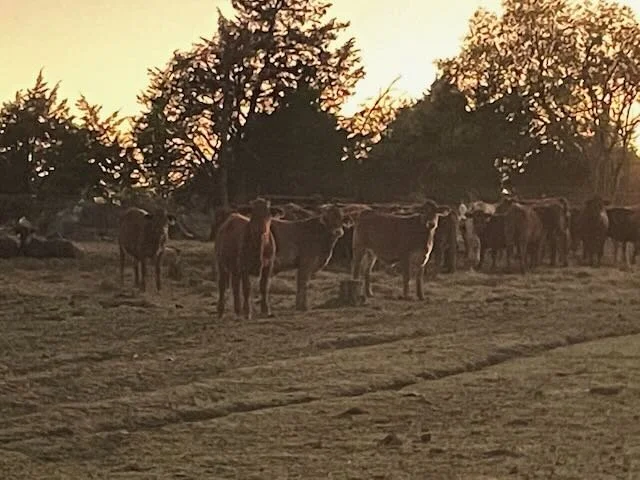
The bull you select will influence your calf crop for years—potentially affecting hundreds of calves if he stays in your program long enough. At EC Ranch, we’ve been selecting Beefmaster bulls for our commercial herd since 1974, and we’ve learned that the cheapest bull is rarely the best value, and the highest-priced bull isn’t always the right choice either.
What matters is finding a bull that matches your operation’s goals, your environment, and your cattle. Here’s how we evaluate bulls after five decades of breeding commercial Beefmaster cattle in North Texas.
Understanding Your Breeding Goals
Before you look at a single bull, define what you’re trying to accomplish:
Identifying Your Priorities
Improving weaning weights?
- Focus on growth EPDs
- Consider milk production for maternal contribution
- Don’t sacrifice calving ease for pounds
Reducing calving difficulty?
- Prioritize low birth weight EPDs
- Look for moderate frame bulls
- Check actual birth weights of progeny
Building replacement heifers?
- Emphasize maternal traits
- Moderate mature size
- Excellent disposition
Selling calves at weaning?
- Growth and weaning weight EPDs
- Frame score appropriate for your market
- Carcass traits that feedlots value
Matching your environment?
- Heat tolerance (essential in Texas)
- Efficiency on your forage type
- Fleshing ability in your climate
At EC Ranch, we focus on bulls that produce moderate-framed calves with good growth, sound structure, and calm temperament. We’re not chasing extremes—we want cattle that work in commercial conditions with minimal input.
Reading and Using EPDs
Expected Progeny Differences (EPDs) are powerful tools, but only if you understand what they mean and how to use them.
Key EPDs for Commercial Operations
Birth Weight (BW)
- What it measures: Expected birth weight of calves
- Target for commercial herds: 0 to +2 pounds
- Why: Lower birth weight reduces calving difficulty
- Caution: Don’t go too low—very low BW often means lighter weaning weights
Weaning Weight (WW)
- What it measures: Calf weight at 205 days (adjusted)
- Target: Moderate to high positive (depends on goals)
- Why: Direct impact on sale weight and value
- Balance: Must consider maternal milk contribution
Yearling Weight (YW)
- What it measures: Expected yearling weight at 365 days
- Target: Positive, but balanced with frame
- Why: Indicates growth potential post-weaning
- Consider: Heavy yearling weights may mean larger mature cows
Maternal Milk (Milk)
- What it measures: Milk production of daughters
- Target: Moderate positive (+10 to +20)
- Why: More milk = heavier weaning calves
- Caution: Excessive milk requires more feed
Mature Weight (MW)
- What it measures: Expected mature cow weight of daughters
- Target: Moderate (match your forage resources)
- Why: Bigger cows eat more and may struggle on poor forage
- Balance: Big enough to raise quality calves, not so big they’re inefficient
Carcass Weight (CW)
- What it measures: Expected hot carcass weight
- Relevance: Matters if calves go to feedlot
- Target: Moderate positive
- Why: Feedlots pay premiums for heavier carcasses within quality range
Marbling (Marb)
- What it measures: Expected intramuscular fat
- Relevance: Quality grade premium potential
- Target: Slightly positive to neutral
- Reality: Most commercial operations can’t capture marbling premiums
Using EPDs Properly
EPDs are relative, not absolute:
- A bull with +50 WW doesn’t guarantee 50-pound heavier calves
- He’s expected to produce calves 50 pounds heavier than a +0 bull in the same environment
Compare within breed only:
- Beefmaster EPDs only compare to other Beefmaster cattle
- Can’t compare Beefmaster EPDs to Angus or Hereford EPDs
Consider accuracy:
- Higher accuracy (closer to 1.0) means more confidence in the prediction
- Young bulls have low accuracy until they have progeny data
- Lower accuracy = higher risk
Look at the whole picture:
- Don’t select on single traits
- Consider trait relationships
- Balance is more important than extremes
Actual performance matters:
- EPDs predict averages, not guarantees
- Look at actual progeny if possible
- Talk to other buyers of the bull’s offspring
Physical Evaluation: Looking at the Bull
Numbers tell part of the story, but you need to evaluate the bull himself.
Structural Soundness
Feet and legs:
- Straight, correct legs (front and rear)
- Strong pasterns (not too upright or too weak)
- Good feet (adequate size, proper angle)
- No structural defects (sickle-hocked, post-legged, cow-hocked)
Why it matters: A bull with bad feet or legs won’t last. He can’t breed cows if he can’t walk or mount.
Topline:
- Strong, level back
- Good muscling over loin and rump
- No dips, sway, or roach
Frame and body:
- Adequate depth and spring of rib
- Moderate frame (not too big, not too small)
- Balanced proportions
- Good muscle expression without being extreme
Reproductive Soundness
Scrotal circumference:
- Yearling bulls: 32+ centimeters
- Two-year-olds: 34+ centimeters
- Mature bulls: 36+ centimeters
Why it matters: Scrotal size correlates with:
- Sperm production
- Earlier puberty in daughters
- Overall fertility
Breeding Soundness Exam (BSE):
- Always required before purchase
- Checks physical soundness and semen quality
- Performed by veterinarian
- Pass/fail with classification
What BSE includes:
- Physical exam of reproductive organs
- Scrotal measurement
- Semen collection and evaluation
- Overall health assessment
Red flags:
- Refusing to provide BSE
- BSE older than 60 days
- BSE performed by seller’s uncle (get independent vet)
Body Condition
Ideal: Moderate flesh (BCS 5-6)
Too thin: May indicate health issues, poor nutrition, or hard keeper Too fat: May indicate overfeed, lack of exercise, or metabolic issues
At sale time: Many bulls are fitted (heavily fed) for show. Look past the fat to evaluate actual structure and muscle.
Disposition and Temperament
This is non-negotiable. We won’t keep a mean or nervous bull regardless of his genetics.
Evaluate temperament:
- How does he behave in a pen?
- Does he charge or threaten people?
- Is he calm during handling?
- How does he react to new situations?
Why it matters:
- Safety for you and your family
- Temperament is highly heritable
- Nervous bulls breed nervous cattle
- Aggressive bulls are liabilities
Our standard: At EC Ranch, if a bull shows aggression toward people, he’s gone. No exceptions. Life’s too short to work around dangerous cattle.
Age Considerations
Yearling Bulls (12-18 months)
Advantages:
- Lower purchase price
- Can grow and develop on your program
- Full breeding potential ahead
Risks:
- Lower fertility than mature bulls
- May not cover as many cows first season
- Still growing—final type uncertain
Best for:
- Smaller herds (15-25 cows)
- Controlled breeding seasons
- Experienced cattlemen who can monitor
Two-Year-Old Bulls
Advantages:
- More mature
- Higher fertility than yearlings
- Type more established
- Some may have limited progeny data
Considerations:
- Higher initial cost
- Past peak rapid growth
Best for:
- Most commercial operations
- General-purpose breeding
- First-time bull buyers
Mature Bulls (3+ years)
Advantages:
- Proven fertility
- May have progeny to evaluate
- Known commodity
Considerations:
- Higher price
- May have developed bad habits
- Fewer breeding seasons ahead
Best for:
- Immediate breeding needs
- Herds needing proven genetics
- Situations requiring maximum fertility
Breed-Specific Beefmaster Considerations
The Beefmaster Advantage
Beefmaster cattle offer specific benefits for commercial operations in hot climates:
Heat tolerance:
- Brahman influence provides heat adaptation
- Thrive in Texas summers
- Maintain fertility in hot weather
Hybrid vigor:
- Three-breed composite (Brahman, Hereford, Shorthorn)
- Heterosis advantage in growth and fertility
- Reduced problems compared to purebreds
Maternal ability:
- Strong mothering instincts
- Good milk production
- High conception rates
Disposition:
- Generally calm and easy to handle
- Less flighty than some Brahman-influenced breeds
- Trainable and manageable
What to Look For in Beefmaster Bulls
Moderate frame: Target frame score 5-6 for commercial use
Good muscle: Without being extreme or bunchy
Clean front: Not overly heavy or coarse
Functional udder genetics: Check dam’s udder if possible
Ear set and eye pigmentation: Indicators of Brahman influence and heat tolerance
Smooth hair coat: Some cattle are slicker than others—smoother coats shed heat better
Buying Strategies
Where to Buy
Private treaty:
- Buying direct from breeder
- Opportunity to see full operation
- Usually can negotiate some
- May get better post-sale support
Bull sales:
- See many bulls at once
- Competitive environment
- Usually well-presented
- May be expensive (sale atmosphere)
Production sales:
- Bulls from breeder’s own program
- Consistency in management
- Often strong guarantees
Our preference: We like buying from breeders we trust, where we can see the whole operation and understand their program. Bull selection is about more than one animal—it’s about buying into a breeding philosophy.
Price Considerations
Not cheapest, not most expensive:
- Cheapest bulls are usually cheap for a reason
- Most expensive bulls may be show-oriented, not commercial practical
- Sweet spot is often the middle tier
Value = cost per calf:
- $3,000 bull breeding 25 cows = $120 per calf (assuming he lasts 3 years)
- $5,000 bull breeding 40 cows = $42 per calf (assuming 3 years)
- More expensive bull may be better value if he breeds more cows and lasts longer
Consider longevity:
- Quality bulls often last 5-8 years
- Cheap bulls may break down in 2-3 years
- Annual cost matters more than purchase price
Pre-Purchase Checklist
Before you buy any bull:
- Define your breeding goals
- Review EPDs and pedigree
- Physically evaluate the bull
- Check disposition
- Obtain current BSE (less than 60 days old)
- Review health records
- Understand seller’s guarantee/return policy
- Know the breeding history (if applicable)
- Inspect feet and legs closely
- Watch him move
- Trust your gut—if something feels off, walk away
Managing Bulls Post-Purchase
Quarantine and Health
Quarantine period: 30 days minimum, separated from your herd
Health protocol:
- Vaccination per your vet’s recommendations
- Deworming
- Any treatments needed
- Observation for illness
Breeding Pasture Prep
Bull-to-cow ratios:
- Yearling bulls: 15-25 cows
- Two-year-olds: 25-30 cows
- Mature bulls: 30-40 cows
Pasture setup:
- Good fences (bulls test everything)
- Adequate shade and water
- Room to move
- Safe from hazards
Monitoring Breeding Season
Watch for:
- Bulls serving cows
- Injuries or lameness
- Weight loss (should maintain condition)
- Behavior changes
- Interaction with other bulls (if running multiple)
Off-Season Management
Rest and recovery:
- Separate from cows after breeding season
- Allow to regain weight and condition
- Evaluate for injuries or problems
Maintenance:
- Adequate nutrition
- Hoof care if needed
- BSE before next breeding season
The EC Ranch Bull Selection Process
Our bulls must meet strict criteria because they’re breeding the same quality of cows we sell to customers. We won’t compromise on:
Temperament: Calm, easy to handle, safe
Soundness: Correct structure, good feet, passes BSE
Genetics: Balanced EPDs, proven family lines
Type: Moderate frame, good muscle, functional
Performance: Evidence of growth and fertility
We keep detailed records on every bull we use, tracking conception rates, calving ease, calf performance, and disposition of progeny. Bulls that don’t measure up don’t get second chances—we market them rather than compromise our herd genetics.
Final Thoughts
Selecting a bull is selecting the sire of next year’s calf crop and possibly the grandsire of your future replacement heifers. Take your time, do your homework, and trust experienced breeders who stand behind their cattle.
Don’t be swayed by flashy ads or high-pressure sales tactics. The bull that looks best in a sale catalog might not be the bull that produces the best calves in your pasture.
At EC Ranch, we’ve made bull selection an annual discipline—studying EPDs, evaluating candidates, and choosing animals that will move our genetics forward without creating problems. After 50 years, we’ve learned that consistency, soundness, and disposition matter more than showring wins or trendy pedigrees.
Need Help Selecting Your Next Bull?
While EC Ranch focuses primarily on replacement heifers and breeding stock, we’re always happy to discuss bull selection strategies and can sometimes point you toward reputable Beefmaster breeders in Texas.
Contact us to discuss your herd goals and bull selection criteria.
About the Author: Cindy Carroll has been selecting bulls for EC Ranch’s commercial Beefmaster herd since 1974. With over 50 years of experience in practical bull evaluation, she focuses on genetics that work in real-world commercial cattle operations.